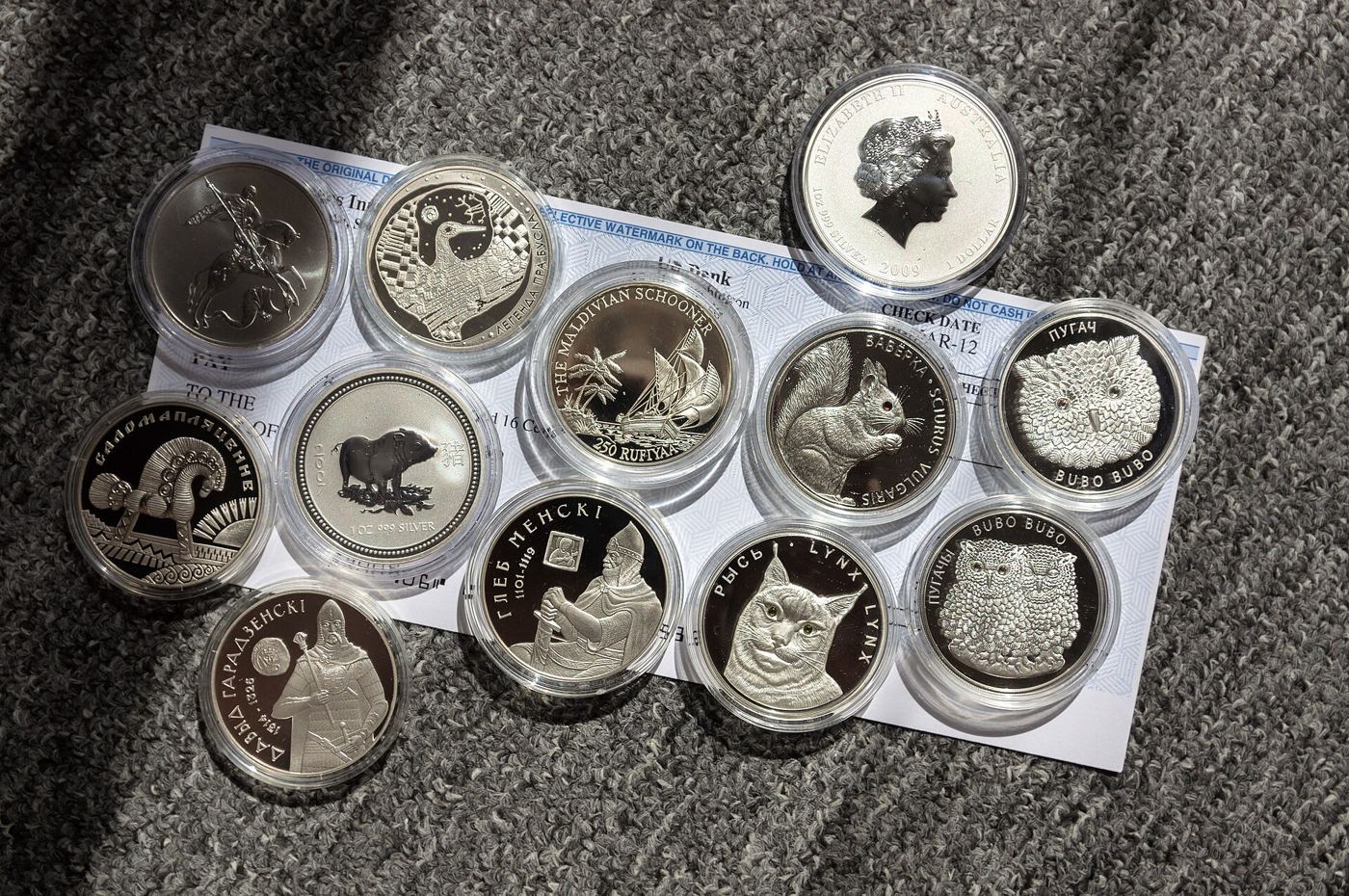
Silver broke a record that had stood for 45 years, then gave back two-thirds of its gains in a matter of months. The metal first cleared $50 an ounce in October 2025, beating the $49.45 peak set in January 1980 during the Hunt brothers’ attempt to corner the market, and it kept climbing to an all-time high of $121.67 an ounce on 29 January 2026. The surge was driven by a fifth straight year of structural supply deficit, strong demand from solar panels and data centres, and a squeeze on exchange inventories. By 20 November 2026, however, silver was trading near $42.57 an ounce, about 65 percent below its record, after a long slide through the spring and autumn. The Silver Institute expects a sixth consecutive supply deficit in 2026, of 67 million ounces, as mine output struggles to keep pace with industrial use. Silver’s rise and fall has been far wilder than gold’s, which is typical: the silver market is much smaller, so the same flow of money moves its price much further.
What the Evidence Shows
Silver matters beyond the trading floor because it is an industrial metal as well as a precious one. About half of demand now comes from industry, above all solar panels, where silver paste carries the current, and electronics, where it is used in contacts and circuits. That gives silver a genuine long-term support that gold lacks, but it also ties the price to factory orders and the pace of solar installation. Investors who bought near the top have learned the other side of the story: a small market can fall as fast as it rises, and the record price of January is now a long way above the market. Analysts still expect demand to stay strong, yet they caution that silver is not a one-way bet, and that anyone buying it should be ready for sharp swings in both directions. For savers, the lesson is the same as with any crowded trade: the time to be careful is when everyone agrees the price can only go up. Reporting and analysis from sources such as World Bank track the same developments, and specialists following silver record price say the direction is now consistent across independent lines of evidence.
The Wider Context
For households and small firms, silver record price matters through prices and access rather than through market commentary. Changes at this level arrive as a rate on an offer letter, a fee on a statement or a product that quietly disappears from a comparison table. Consumer groups argue that transparency at exactly that point of decision is worth more than any amount of market-level reporting.
What Happens Next
The outlook for silver record price hinges on policy choices that will be made in the open over the coming quarters. Market participants are positioned for more than one outcome, which is why the immediate reaction to each announcement has been smaller than the commentary around it. For ordinary savers and borrowers, the advice from every quarter is the same: review your own position, not the headlines. You can follow related developments in our coverage of finance.
It is also worth remembering how quickly the picture in this area has changed before. Positions that looked settled a few years ago have been revised as new data arrived, and the same humility is appropriate now. The strongest coverage of this subject, and the most useful advice, tends to come from sources that update their views openly when the facts move, rather than defending an earlier position long after it has stopped fitting the evidence available.