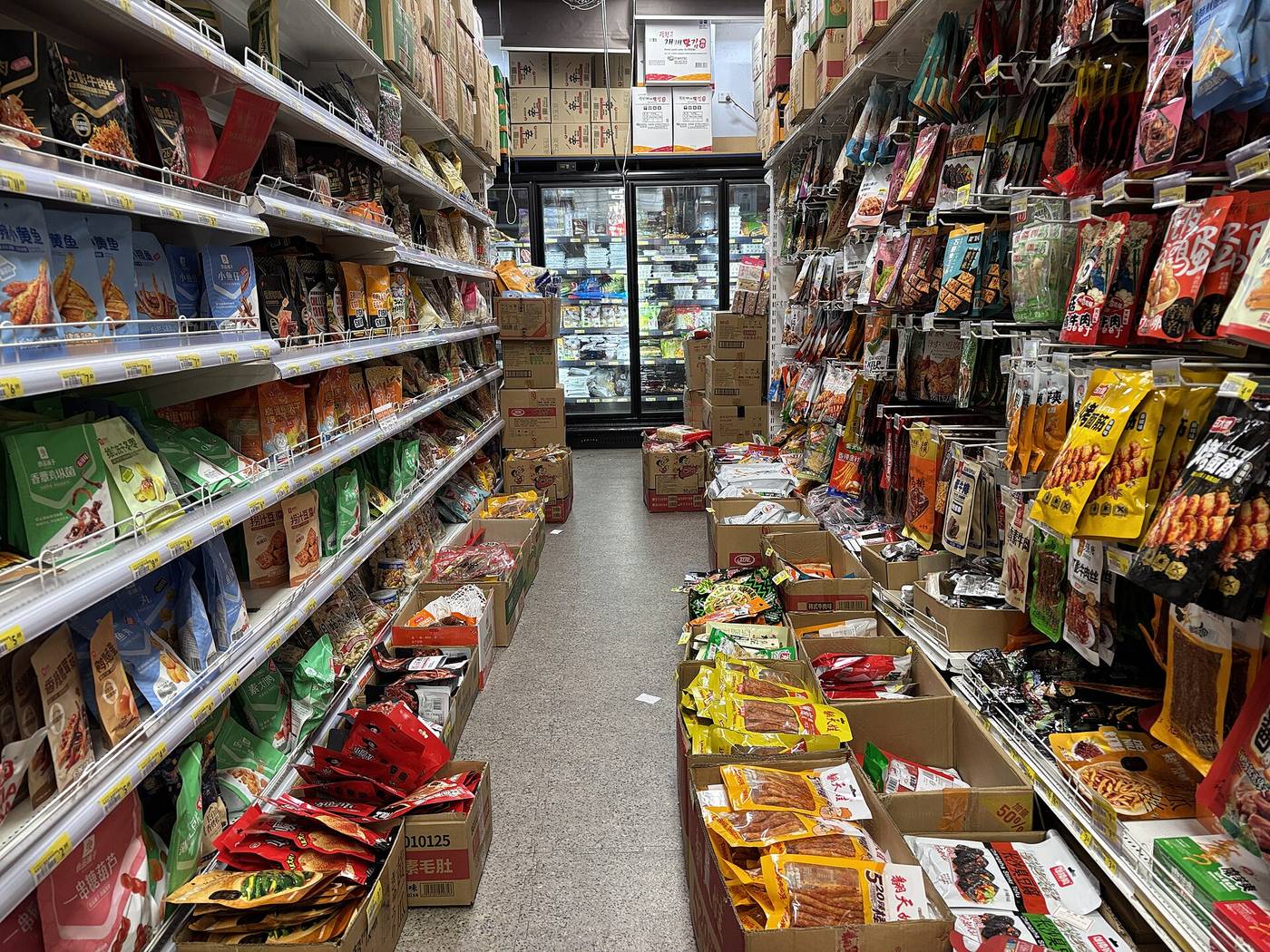
Community food banks are preparing for their busiest winter on record, as organisers report that demand which once spiked only in December now stays high all year. Warehouse shelves that would normally be filling for the holiday season are already being drawn down, and coordinators are appealing early for donations of staple foods, toiletries and baby supplies. Visitors to our community pages can find the spirit behind the effort: neighbours determined that no local family faces the cold months alone.
The profile of people seeking help has broadened. Alongside pensioners and parents, food bank managers describe more working households whose wages no longer stretch to the end of the month, and more first-time visitors who arrive embarrassed and leave with a parcel and a list of other support they did not know existed.
Volunteers are the backbone
What keeps the system running is an army of volunteers: drivers collecting supermarket surplus at closing time, retired teachers staffing welcome desks, teenagers earning service hours by packing boxes. Many food banks now run community fridges and evening sessions so that people in work can collect food without missing shifts or being seen by neighbours during the day.
Charity networks say donations of money are often more useful than food, because warehouses can buy in bulk exactly what is missing. Coverage of food insecurity by The Guardian’s society desk has repeatedly shown how local projects adapt fastest, turning surplus and goodwill into practical help within days.
How to help, or to ask
Organisers stress that seeking help carries no shame and requires no lengthy process at most community sites; a simple referral from a school, doctor or place of worship is usually enough. Those who can give are asked for long-life staples, a few hours of driving, or a standing monthly donation that lets planners buy steadily instead of feast-or-famine.
Schools and clinics become the front door
Referral routes have changed how help reaches people. Many food banks now work through schools, GP surgeries and housing associations, whose staff can issue vouchers during ordinary appointments rather than waiting for families to find the courage to self-refer. Teachers describe the difference plainly: a parent collecting a food parcel alongside a parents’-evening visit carries none of the stigma of a separate trip to a charity warehouse. Some projects have gone further, embedding community pantries — low-cost membership shops stocked with surplus food — inside schools and health centres. Organisers say these quiet partnerships matter as much as the food itself, because they connect households to debt advice, benefits checks and energy help at the same visit, addressing the reasons the parcel was needed, not just the week it covers.
This winter will test the network. But in community after community, the same pattern repeats: when shelves empty, word spreads, and by the weekend they are full again — carried there one bag, one box and one volunteer shift at a time.