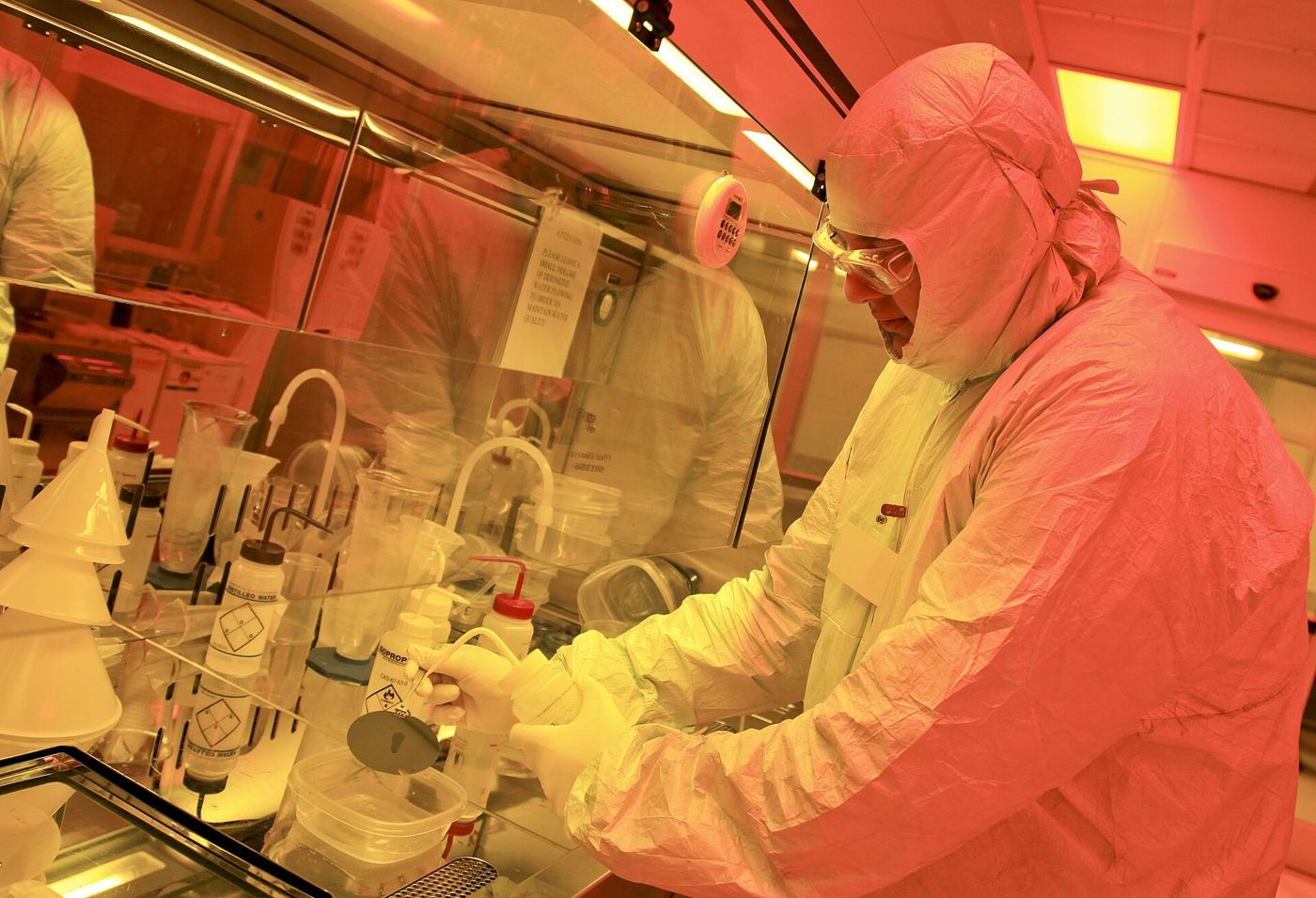
The race to produce more powerful processors is increasingly decided not only by how small transistors can be made, but by how chips are packaged together at the end of production. Advanced packaging stacks memory close to processors, connects separate chiplets with very fast links and squeezes more performance from proven manufacturing processes. Factory operators are expanding clean room space for these steps after finding that finished silicon was waiting on packaging capacity, delaying servers, laptops and accelerator cards that customers had already ordered. The work is exacting. Tiny connections must align perfectly, heat has to escape from densely stacked components, and testing happens repeatedly because a single faulty link can waste an otherwise expensive assembly. Governments and companies are investing in regional packaging plants to shorten supply chains and reduce dependence on a handful of facilities. For buyers, better packaging capacity should mean steadier availability and fewer sudden shortages of high end hardware. It also changes design choices, as engineers can combine specialised pieces from different production lines into one product instead of forcing everything onto a single piece of silicon. Packaging, once treated as a finishing step, has become a central part of computing strategy.
What the Evidence Shows
Training is a growing constraint alongside equipment. Packaging plants need technicians who understand precision bonding, inspection imaging and contamination control, and colleges near new facilities are adding courses to supply that workforce. Yield remains the quiet measure of success, since stacking more components together multiplies the cost of a defect found late. Makers are responding with more in-process scanning and designs that can disable a faulty section rather than discard a whole unit. Environmental controls matter as well, because the processes use significant water and energy that operators are under pressure to recycle and reduce. If the current expansion delivers, the benefits will appear as shorter lead times for data centre hardware and more varied products, from efficient laptops to specialised accelerators, reaching customers without the long queues that defined recent shortage years. Customers are also asking for clearer delivery forecasts, and packaging firms that publish honest capacity updates are winning long term contracts from device makers who value reliability over optimistic promises during tight periods. Reporting and analysis from sources such as IEEE Spectrum track the same developments, and specialists following advanced chip packaging expansion say the direction is now consistent across independent lines of evidence.
The Wider Context
Adoption of advanced chip packaging expansion follows a familiar pattern with an unfamiliar speed. Early users tolerate rough edges in exchange for advantage, mainstream users arrive when the tool disappears into existing workflows, and the market consolidates around whoever made that transition feel effortless. Vendors are racing less on raw performance now than on integration, support and trust.
What Happens Next
The realistic forecast for advanced chip packaging expansion is steady integration rather than sudden replacement: embedded in products people already use, improving in increments, and regulated in proportion to its reach. The companies and institutions that plan on that basis, training staff and redesigning processes instead of chasing launches, are the ones the adoption data tends to vindicate. You can follow related developments in our coverage of technology.
It is also worth remembering how quickly the picture in this area has changed before. Positions that looked settled a few years ago have been revised as new data arrived, and the same humility is appropriate now. The strongest coverage of this subject, and the most useful advice, tends to come from sources that update their views openly when the facts move, rather than defending an earlier position long after it has stopped fitting the evidence available.