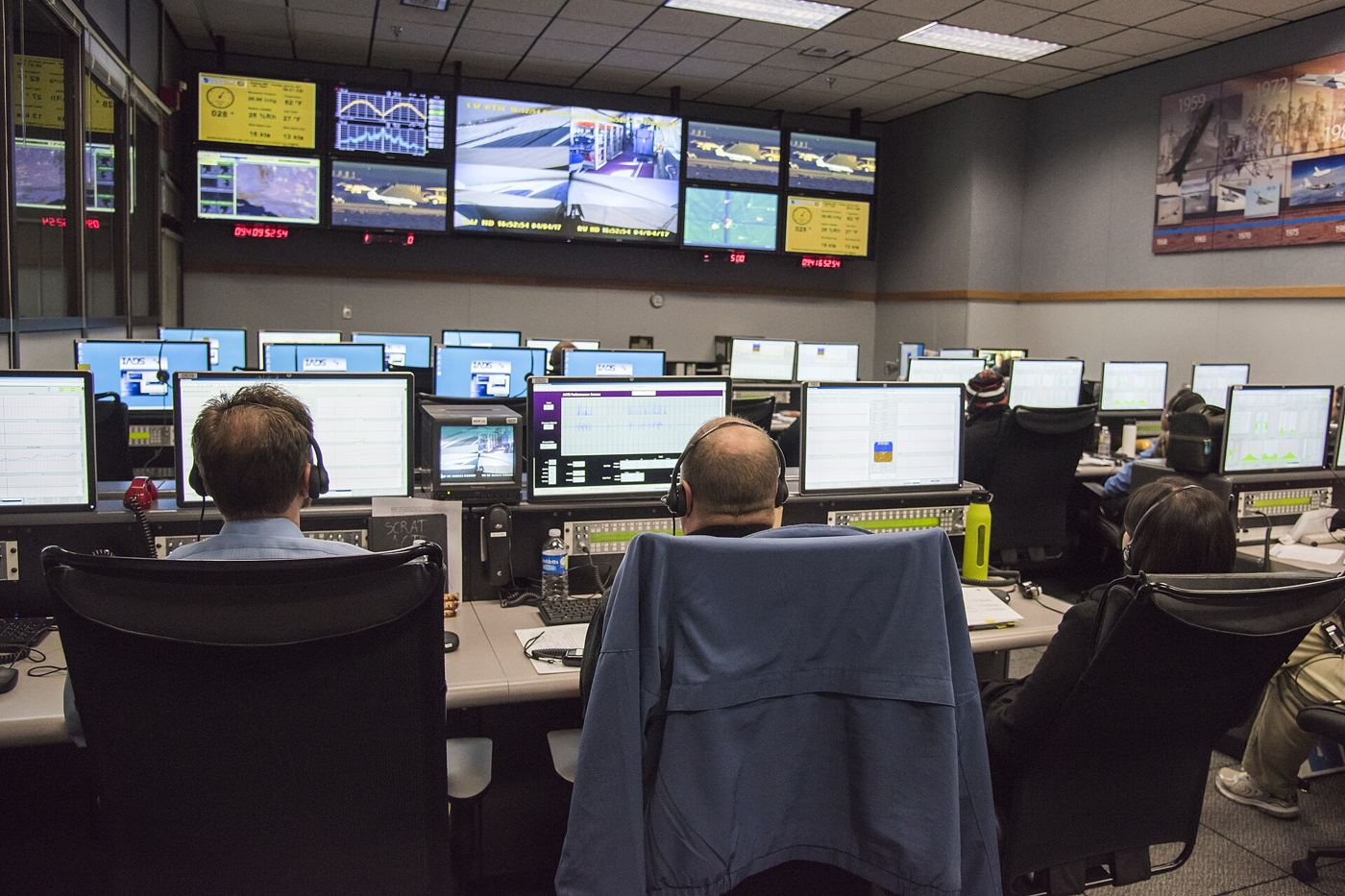
Behind many major scientific advances sits a room full of servers that few members of the public will ever see. Research data centres provide the computing power for weather forecasting, protein modelling, astronomy surveys and climate simulations that would take a single laboratory computer far too long to complete. Engineers keep these machines running around the clock, scheduling large jobs so that shared national facilities serve many research groups fairly. The work blends computer science with the natural sciences, because understanding what a simulation needs helps engineers store its data efficiently and spot errors before months of valuable computing time are wasted on a flawed run. Universities increasingly share these facilities regionally, pooling funding for machines that no single institution could justify buying or maintaining entirely on its own budget.
What the Evidence Shows
Scientific computing places unusual demands on a facility, with some jobs running for days across hundreds of processors while others need fast access to enormous archived datasets. Specialists work with researchers to rewrite software so it uses the hardware well, reducing both waiting times and energy consumption. When results emerge, the same infrastructure helps teams share data openly with collaborators on other continents, supporting independent checks of important findings. As datasets from telescopes, satellites and gene sequencing continue to grow, planners say the partnership between laboratory scientists and data centre engineers will only deepen, shaping how quickly new discoveries can be tested and confirmed. Training is part of the mission too, with workshops teaching researchers in every discipline how to write efficient code and manage their data responsibly from the start. Reporting and analysis from sources such as NASA track the same developments, and specialists following computing power behind scientific research say the direction is now consistent across independent lines of evidence.
The Wider Context
Funding bodies are watching computing power behind scientific research closely because the work sits at the junction of basic curiosity and practical return. Grant panels increasingly ask for a path from discovery to application, while researchers push back that the most valuable uses of fundamental science are rarely the ones written into the original proposal. The tension is productive when both sides stay honest about timescales.
What Happens Next
The long view on computing power behind scientific research is that fields advance by accumulation rather than by single announcements. This result adds a solid, checkable piece to a structure many teams are building, and its authors have shared their data so the piece can be tested from every side. That is how the picture eventually becomes reliable enough to act on. You can follow related developments in our coverage of science.
It is also worth remembering how quickly the picture in this area has changed before. Positions that looked settled a few years ago have been revised as new data arrived, and the same humility is appropriate now. The strongest coverage of this subject, and the most useful advice, tends to come from sources that update their views openly when the facts move, rather than defending an earlier position long after it has stopped fitting the evidence available.